If you’ve ever felt swollen, puffy, heavy, or slow to recover after illness or injury — your lymphatic system may be overloaded.
Lymphatic drainage massage is a gentle, specialized treatment designed to help your body clear fluid, reduce inflammation, and support natural healing.
Unlike deep tissue massage, this treatment works with your immune and circulatory systems — not your muscles.
What Is the Lymphatic System?
Your lymphatic system is part of your immune system.
It moves fluid (lymph) through vessels and lymph nodes to remove:
-
Waste products
-
Excess fluid
-
Cellular debris
-
Bacteria and viruses
-
Inflammatory chemicals
Unlike blood circulation, the lymphatic system does not have a pump.
It relies on breathing, muscle movement, and manual stimulation to flow properly.
When it slows down, fluid accumulates — causing swelling, pressure, and delayed healing.
What Is Lymphatic Drainage Massage?
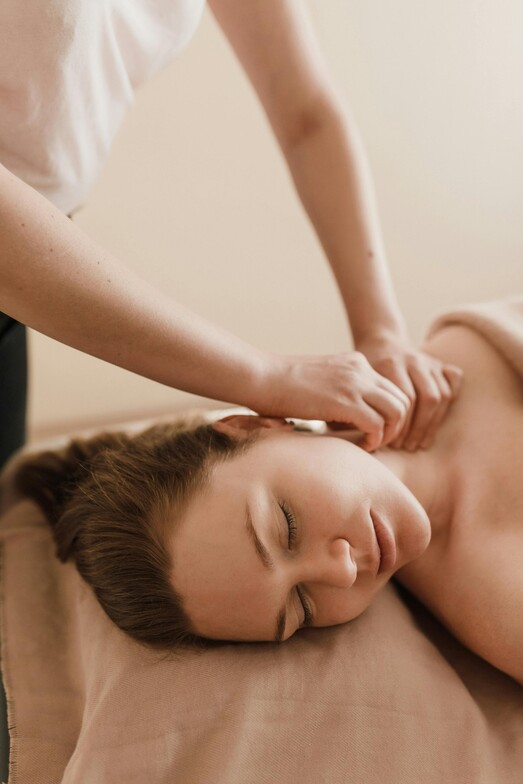
Lymphatic drainage massage is a very light, rhythmic technique that encourages lymph fluid to move toward lymph nodes where it can be filtered and removed.
The pressure is gentle because lymph vessels sit just under the skin.
Deep pressure actually collapses them — which is why this technique is different from traditional massage.
The goal is movement of fluid, not muscle release.
Benefits of Lymphatic Drainage Massage
Reduces Swelling & Puffiness
Helpful for:
-
Post-surgical swelling
-
Injury recovery
-
Pregnancy swelling
-
Long travel fluid retention
Supports the Immune System
By improving lymph flow, the body clears inflammatory waste more efficiently.
Speeds Healing
Often used after:
-
Orthopedic injuries
-
Strains and sprains
-
Procedures with tissue trauma
Improves Skin Appearance
Many people notice:
-
Reduced facial puffiness
-
Brighter skin tone
-
Less under-eye swelling
Helps Chronic Inflammation
Can assist people dealing with:
-
Sinus congestion
-
Chronic tension
-
Fluid retention
What a Session Feels Like
This is not a deep or painful treatment.
It feels:
-
Slow
-
Rhythmic
-
Relaxing
-
Almost like skin stretching
Many patients feel lighter, warmer, or need to urinate more afterward — signs fluid is moving.
Who Is Lymphatic Drainage For?
You may benefit if you experience:
-
Persistent swelling
-
Slow injury recovery
-
Frequent sinus pressure
-
Feeling “puffy” or heavy
-
Post-surgical fluid retention
-
Desk-job stagnation
-
Athletic recovery needs
How Often Should You Book?
Acute swelling → several sessions close together
Maintenance → every 3–6 weeks
Your therapist can guide frequency based on your goals.
Is It Covered by Insurance?
Lymphatic drainage is typically considered a wellness or supportive therapy unless prescribed as part of specific medical management. Coverage varies by plan.
The Takeaway
Your body already knows how to heal — it just needs flow.
When lymph circulation improves:
-
Swelling decreases
-
Healing accelerates
-
Energy improves
-
Pressure reduces
Lymphatic drainage massage helps restore that natural movement.
Book a session and let your body clear what it’s been holding onto.
.jpg)